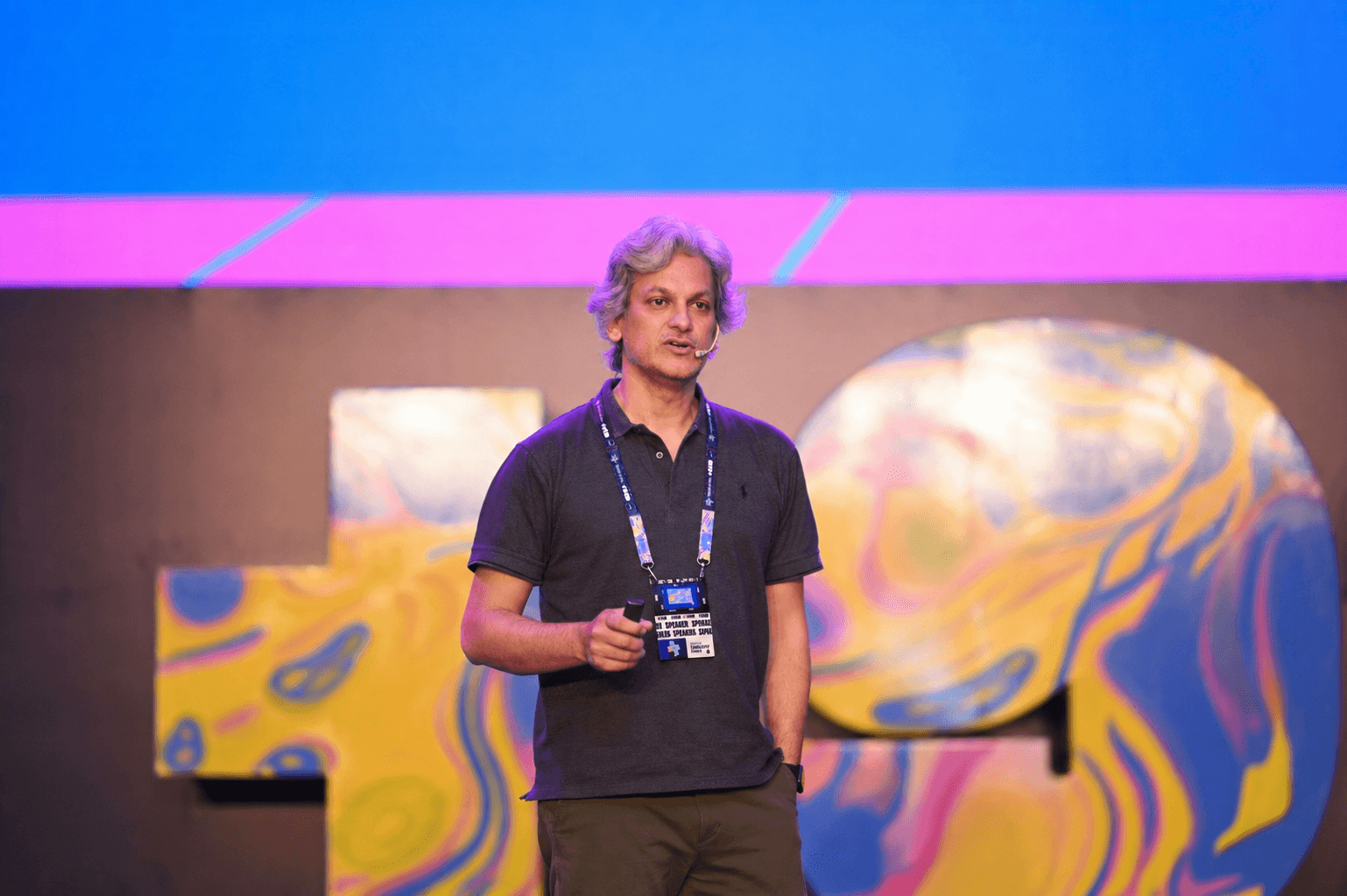
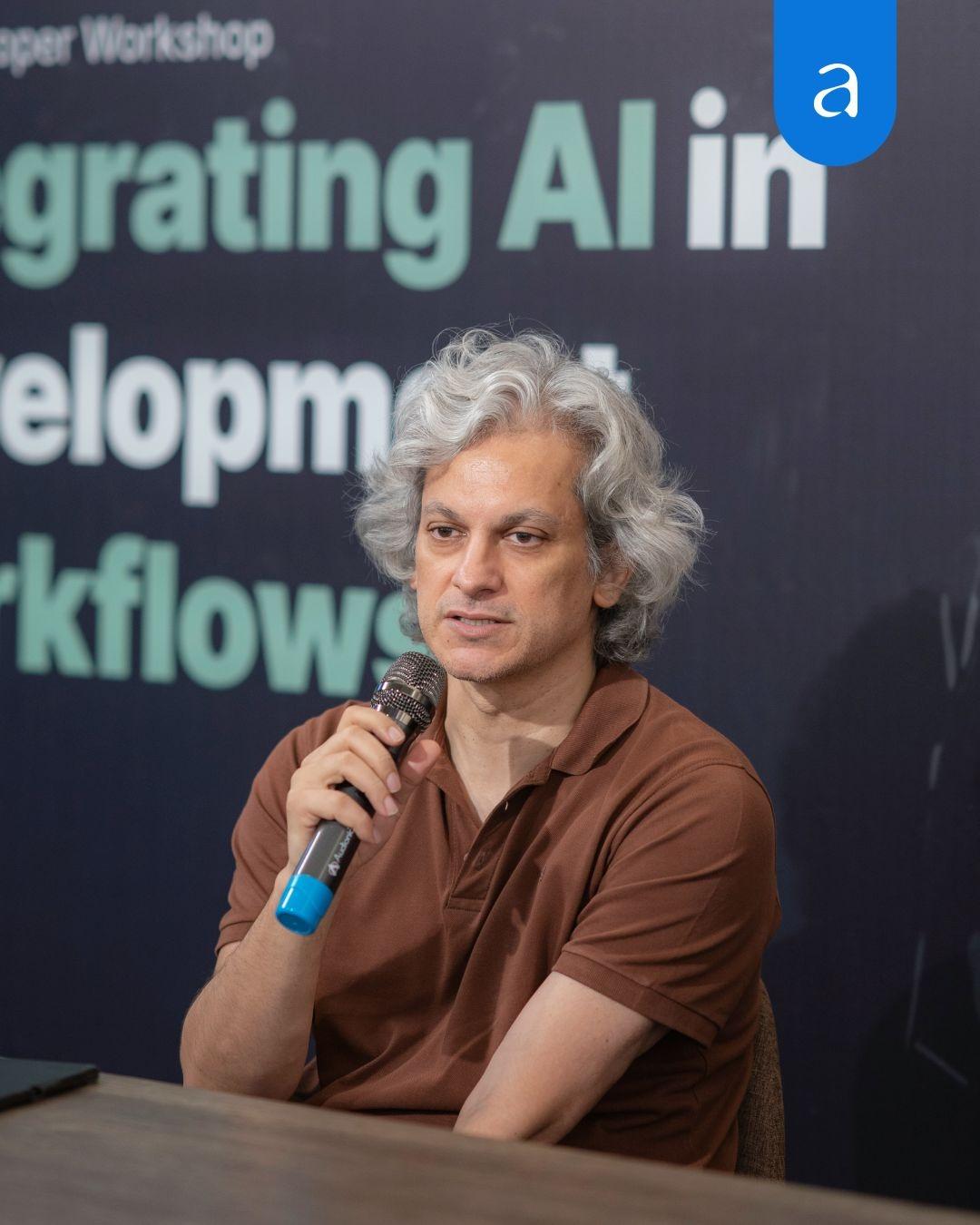
Yasser Bashir's Story
Story by Yasser Bashir on CaySpace (Yasser Bashir)
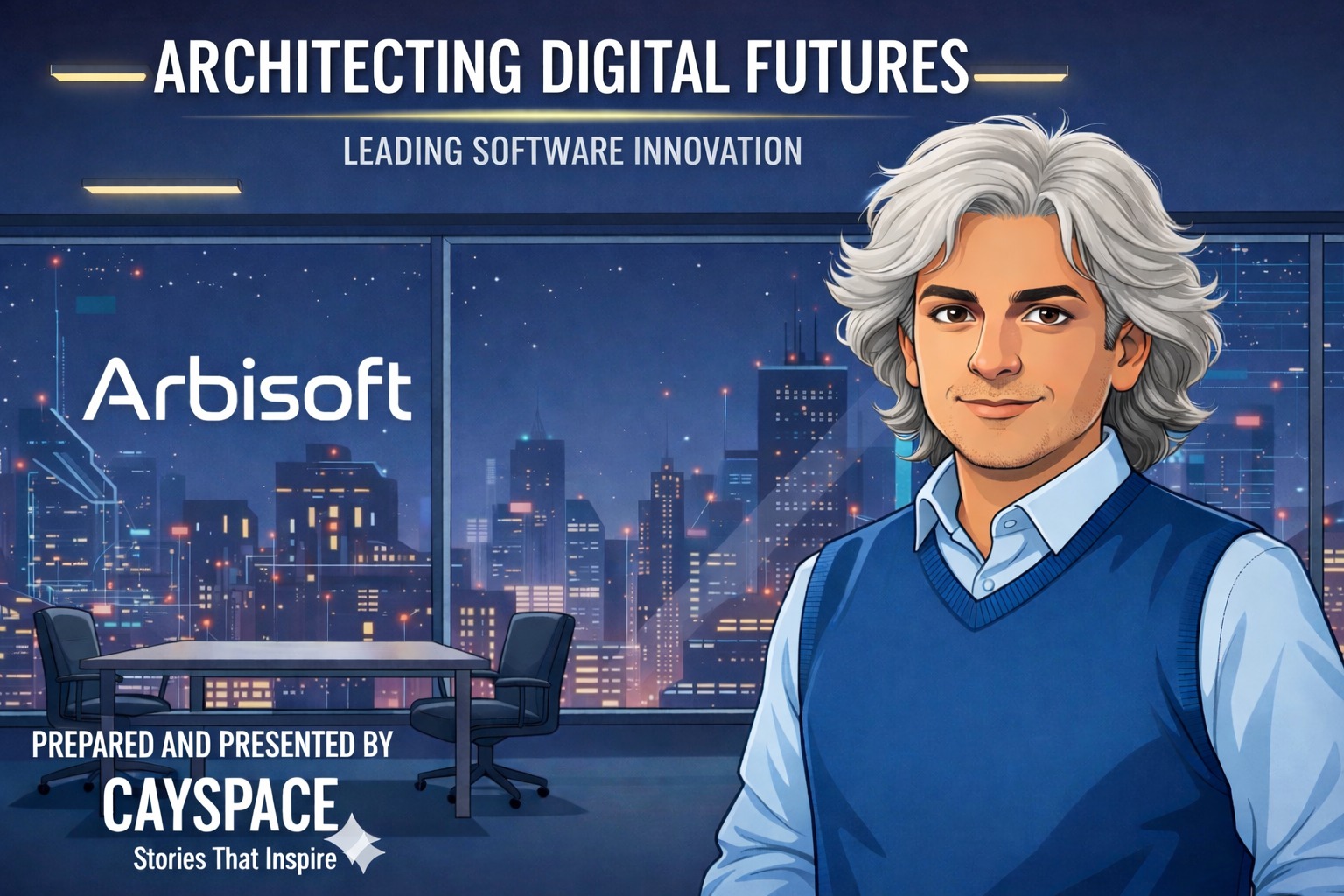
My Journey From Gujranwala to Stanford and Beyond..
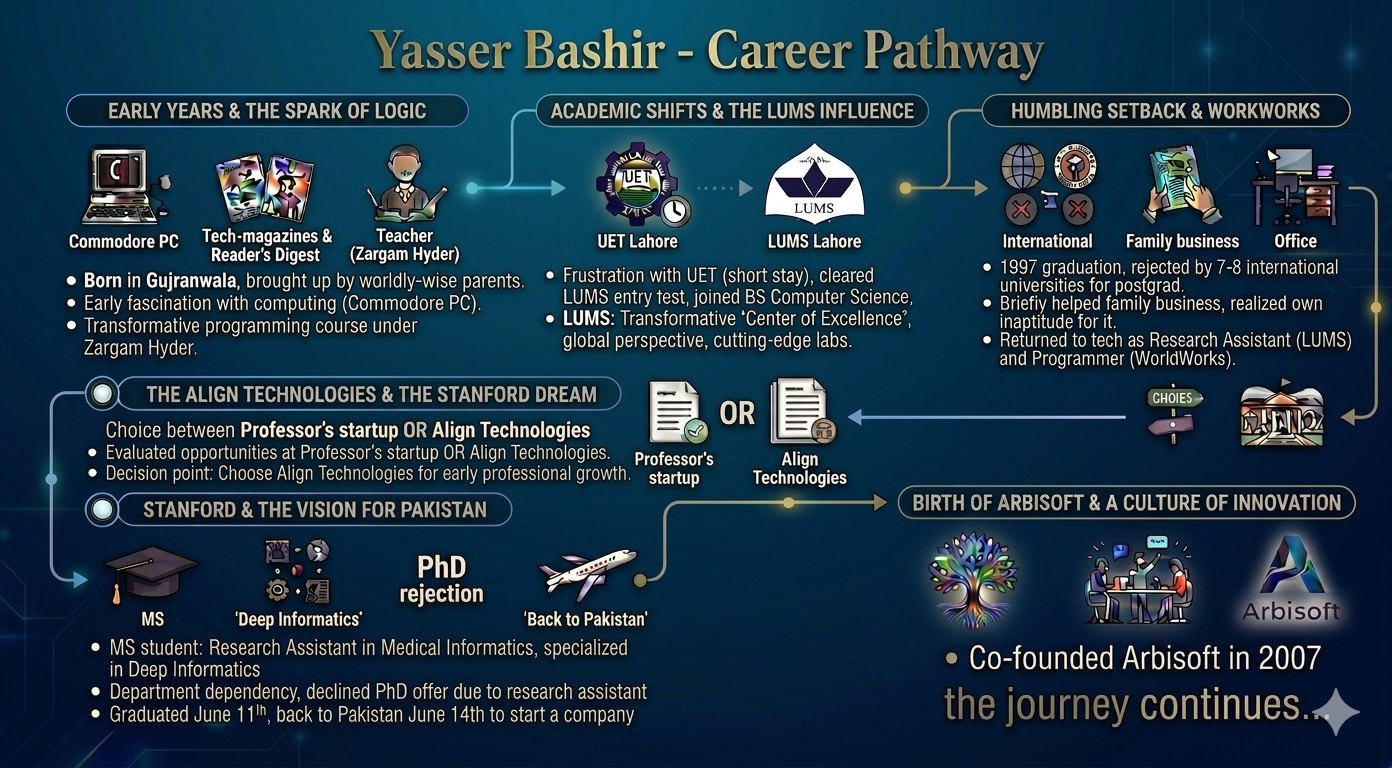
I often tell people that the path to success isn’t a straight line -it’s a series of pivots, rejections, and hard-earned lessons. My story began in Gujranwala, where my father ran a textile factory and my parents made education their prime focus. While we lived in a small city, the world felt vast because of the reading material that filled our home: Reader’s Digest, Time, Taleem-o-Tarbiat, and Nonehaal. My father was a "worldly wise" man who read every magazine from cover to cover; he knew where the world was heading and never restricted himself to one discipline. My mother was equally influential, constantly pushing us to become professionals rather than simply relying on the family business.
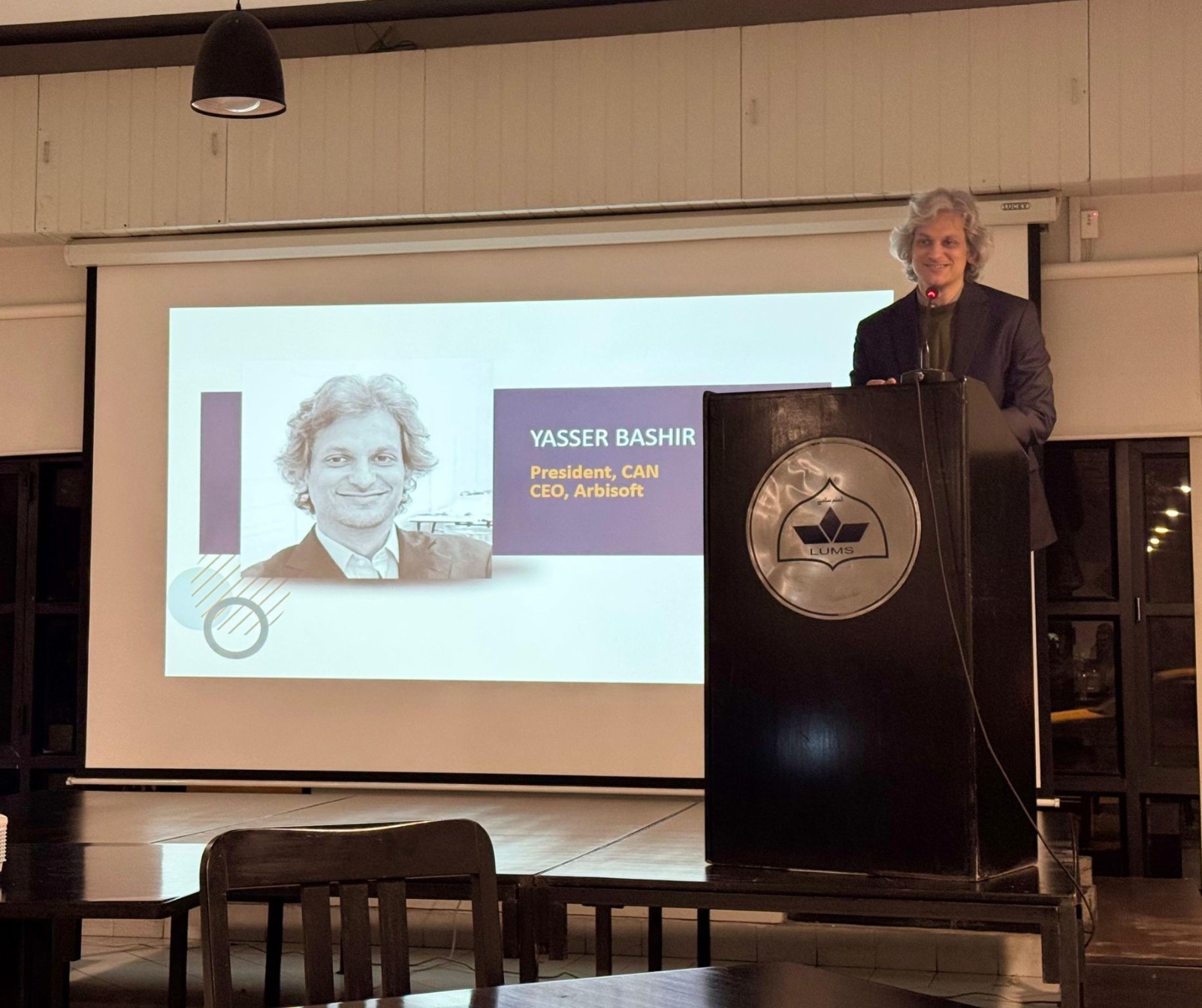
The Spark of Logic
My fascination with computing started early. At age 11, my father bought us a Commodore PC. Later, during a gap between college and university, I took a programming course at the Punjab Institute under a teacher named Zargam Hyder, who truly ignited my interest in the field. I found instant gratification in the process - the debugging, the logic, and that singular thrill when a piece of code finally runs.
However, my academic journey hit an early snag at UET Lahore. I was initially admitted for Electrical Engineering, but the environment was frustrating. In those days, a four-year degree often stretched into six due to delays, and I found myself missing classes out of sheer disillusionement. When I saw an advertisement for LUMS, I had only spent about four months at UET. I decided to take the leap, cleared admission test, and joined the BS Computer Science program.
The LUMS Influence: A Quest for Excellence
LUMS was transformative and inspired me from Day 1. At a time when only 10 million people globally had internet access, we were plugged into cutting-edge labs and engaging in deep classroom debates. It was a "Center of Excellence" that aspired to excel like global institutions such as Harvard. We discussed everything from religion to global politics with an openness and room for debate that I feel has sadly faded in society over time. It shaped my values and gave me a global perspective.
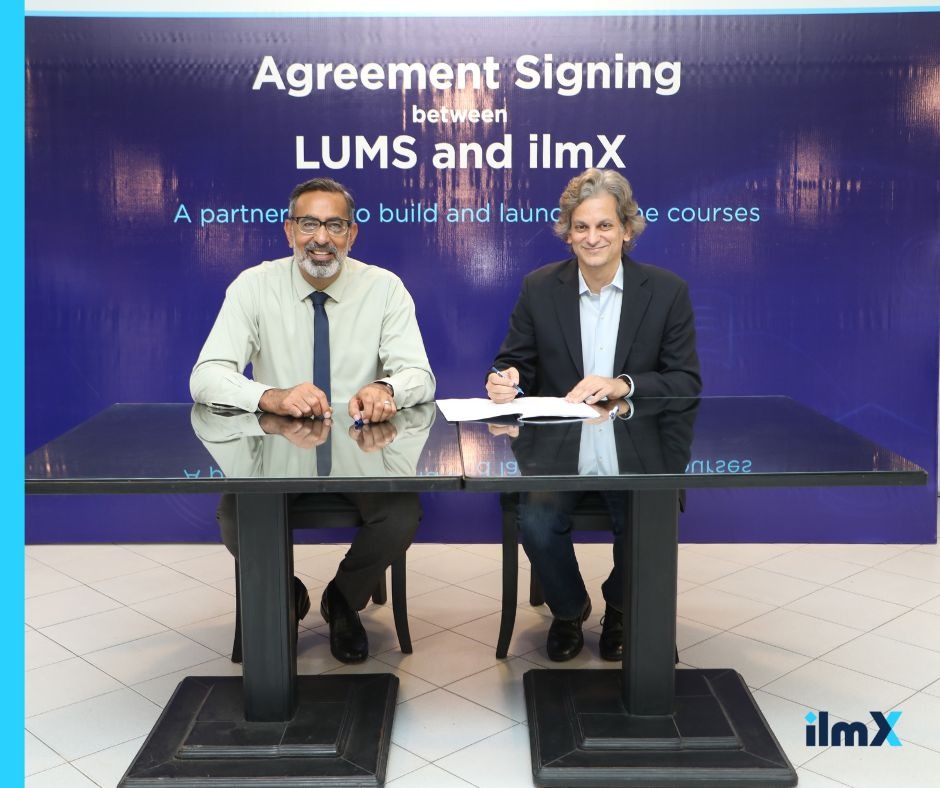
But graduation in 1997 brought a humbling reality check. I applied to seven or eight international universities for postgraduate studies and was rejected by every single one. Disappointed, I went back to Gujranwala to help with my father’s business, only to realize I was quite bad at managing it.
Failure as a Prelude to Success
I eventually returned to the tech world, working as a Research Assistant at LUMS and then as a programmer at a local company called WorldWorks for 2 years. Soon, a former professor, Dr. Salman, offered to help me move to the US to join his tech startup, even sponsoring me a B-1 visa and also sent the flight ticket. Around the same time, I received an offer from Align Technologies. After a difficult dilemma and an honest conversation with my professor—who graciously understood - I chose Align. I worked for 3 years at Align and they also called me US.
While working there, a friend took me to visit the Stanford campus. It was love at first sight; I was captivated by the vibrant atmosphere. The man who had once been rejected by eight universities prepared for the entry tests, applied, and was finally admitted to Stanford for his MS.
A Lesson in Perspective: Do not view a rejection as a permanent setback. See your failures in the context of your whole life; things may be better planned for you ahead.
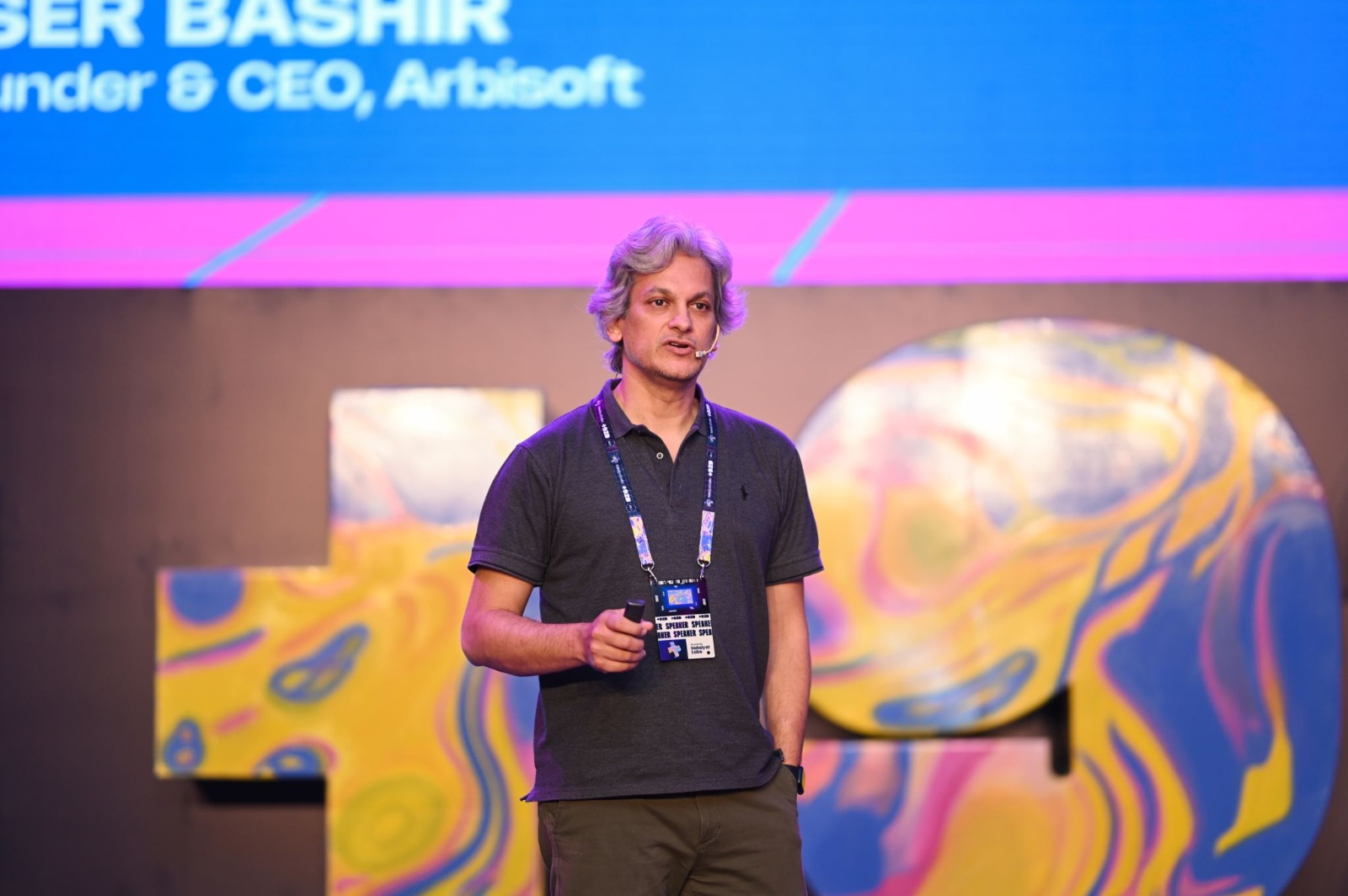
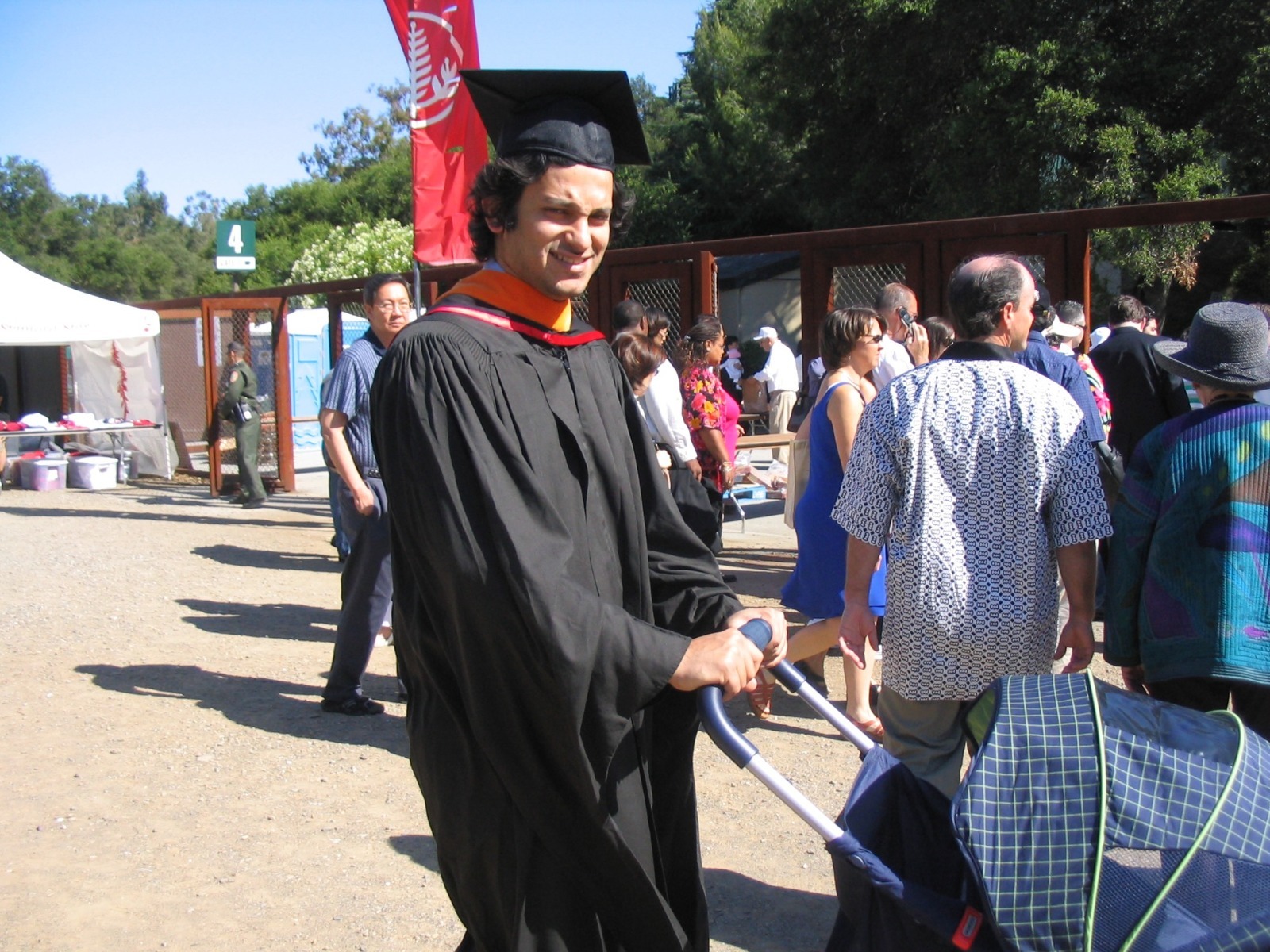
At Stanford, I worked as a Research Assistant in Medical Informatics. I was the only one who understood "Deep Informatics" there at the time, making the department quite dependent on me. They even offered me a PhD and a job to stay, but I realized I didn't have the "research aptitude" for it. I graduated on June 11th and flew back to Pakistan on June 14th, motivated to serve in the industry here!
The Birth of Arbisoft: Trust and Empowerment
I had always been inspired by the transformative effect of building companies and what they can do for the masses. My first attempt with a former boss ended when the company, Orthoclear shut down, costing me $ million's in equity. It was painful, but it decreased my fear of failure and taught me how to get back up.
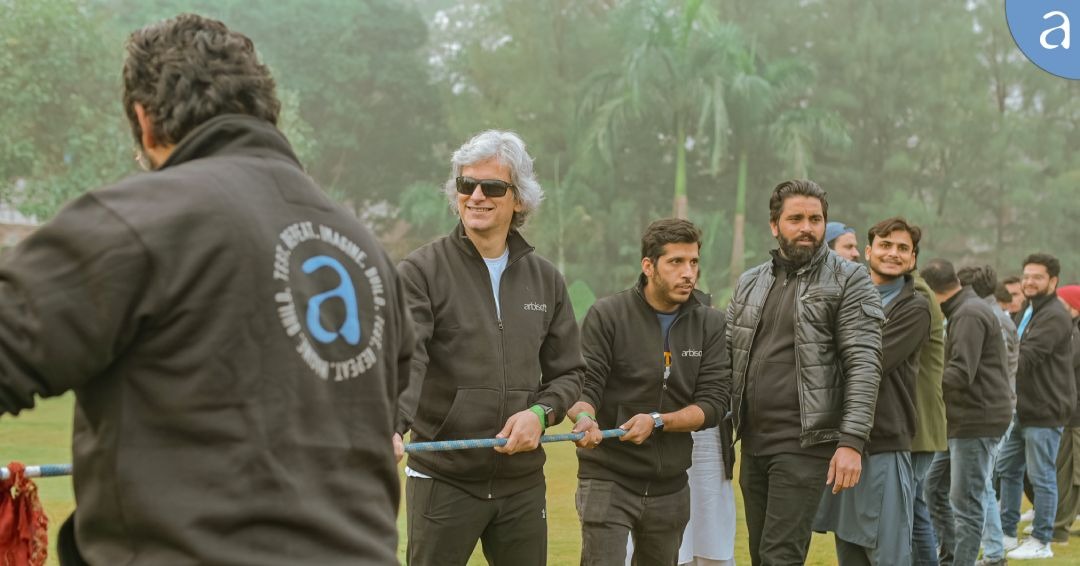
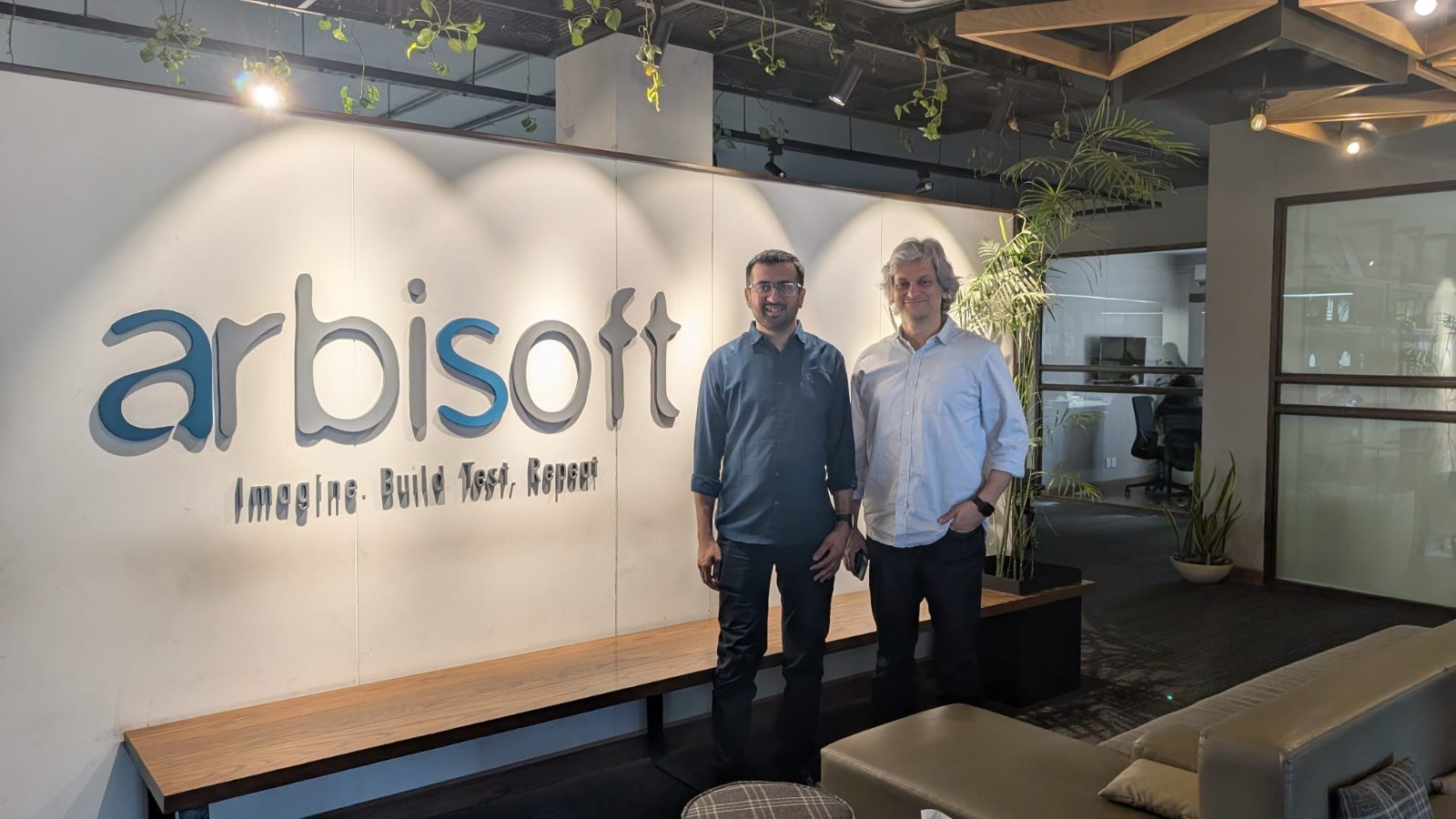
In 2007, I started Arbisoft. My goal wasn't just to build a company, but to create a culture where people enjoy their work rather than seeing it as a liability. Inspired by my time at Stanford, I wanted a culture of trust and empowerment.
At Arbisoft, we implement several core principles:
Empowerment: Employees are given a free hand to work and implement their ideas.
Self-Accountability: Instead of implementing controls, people measure their own work, set objectives, and monitor their performance.
Team Rewards: We give performance bonuses to teams, not individuals, to foster collective success.
Data-Driven Improvement: Teams maintain datarooms for metrics to focus on constant growth.
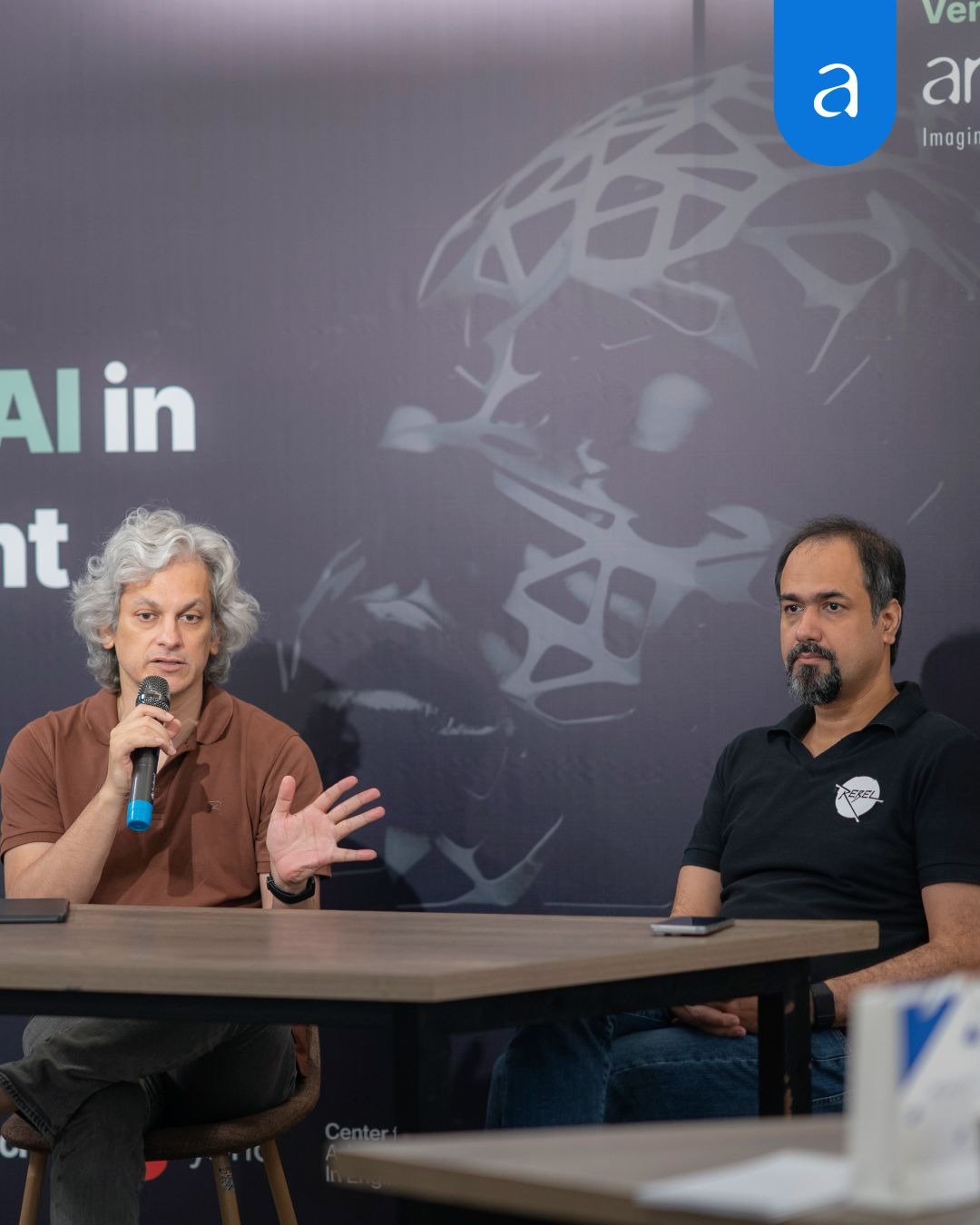
My Role as CEO: What I Actually Do?
As the CEO of a softwarre services company, I have to ensure it effectively performs it's two key functions:
Demand Generation (sales, growth, marketing)
Delivery (serving clients and delivering quality work)
My Weekly Routine
Check-ins with demand & delivery leaders
Meetings with clients (especially key customers)
Monitoring performance and innovation
Time for learning, reading, and strategy
Managing time using a color-coded calendar
Core Values I Live By
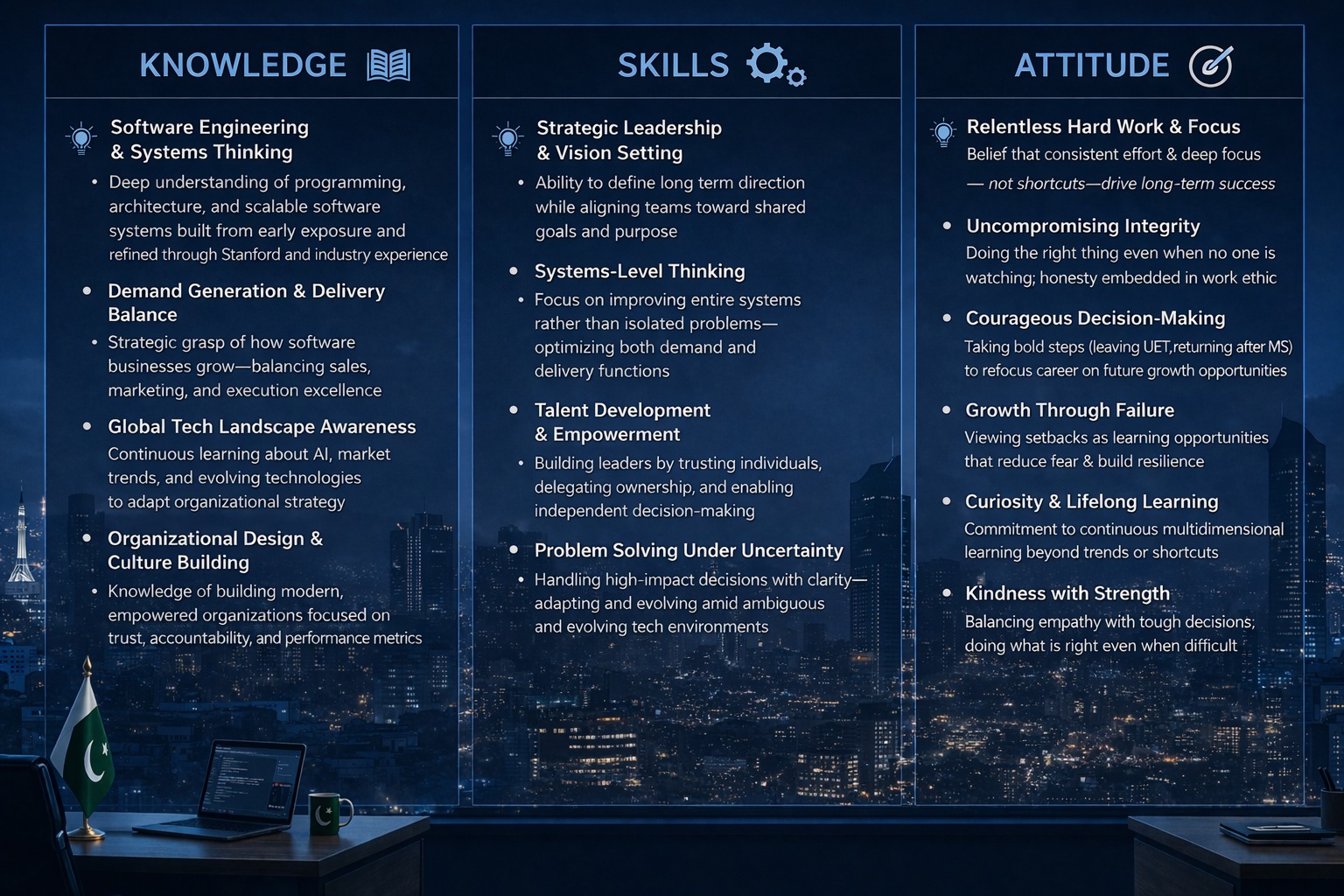
The foundation of my life rests on a few uncompromising values. Hard-work is non-negotiable, nothing can replace it, no matter how talented you are. Alongside that, integrity defines who you are when no one is watching; it is about doing justice to your work, your responsibilities, and yourself even in silence. Kindness is equally central, rooted in respect, empathy, and compassion for others. And finally, courage is essential: it is what allows you to take bold decisions, whether it is changing paths, taking risks, or standing firm when it matters most.
Kindness, With Depth
Kindness, in my view, is often misunderstood. It is not merely about being soft or agreeable; true kindness lies in doing what is right, even when it is difficult. Sometimes, the right decision may not appear "nice" on the surface: like a painful medical procedure that saves a life. Real kindness requires strength, clarity, and moral courage. It is guided by purpose, not comfort, and it demands that you act in the best interest of others, even when it involves discomfort or resistance.
Mindset That Shaped Me
A defining mindset in my journey has been the ability to discover where my strengths lie. Instead of blindly following trends, I focused on identifying areas where I could perform above average and then committed deeply to them. I believe it is important not to undersell yourself: recognize your potential and pursue opportunities that align with it. At the same time, focus is everything; when you work with depth and consistency, your efforts compound and open doors naturally. Making learning a daily habit ensures continuous growth and keeps you relevant in a changing world.
Attitude That Made the Difference
Ultimately, attitude is what shapes outcomes. Working with focus and passion, even in small tasks, builds a reputation that opens future opportunities. Continuous improvement - especially when no one is watching - creates long-term excellence. Courage allows you to make bold decisions, and resilience enables you to restart without fear when things don’t go as planned. This combination of focus, persistence, and bravery is what truly drives growth over time.
Key Factors Behind My Professional Growth
My professional growth didn’t come from one big turning point, it came from how I approached my work every day. I always believed in doing whatever I was doing with full focus and excellence , without constantly chasing the next thing. This built trust and opened doors over time. I never undersold myself, kept looking for the right opportunities, and had the patience to wait for quality ones like choosing Stanford over average options. In the end, it was consistency, focus, and attitude toward work that shaped my growth, not a single event.
Physical & Mental Discipline
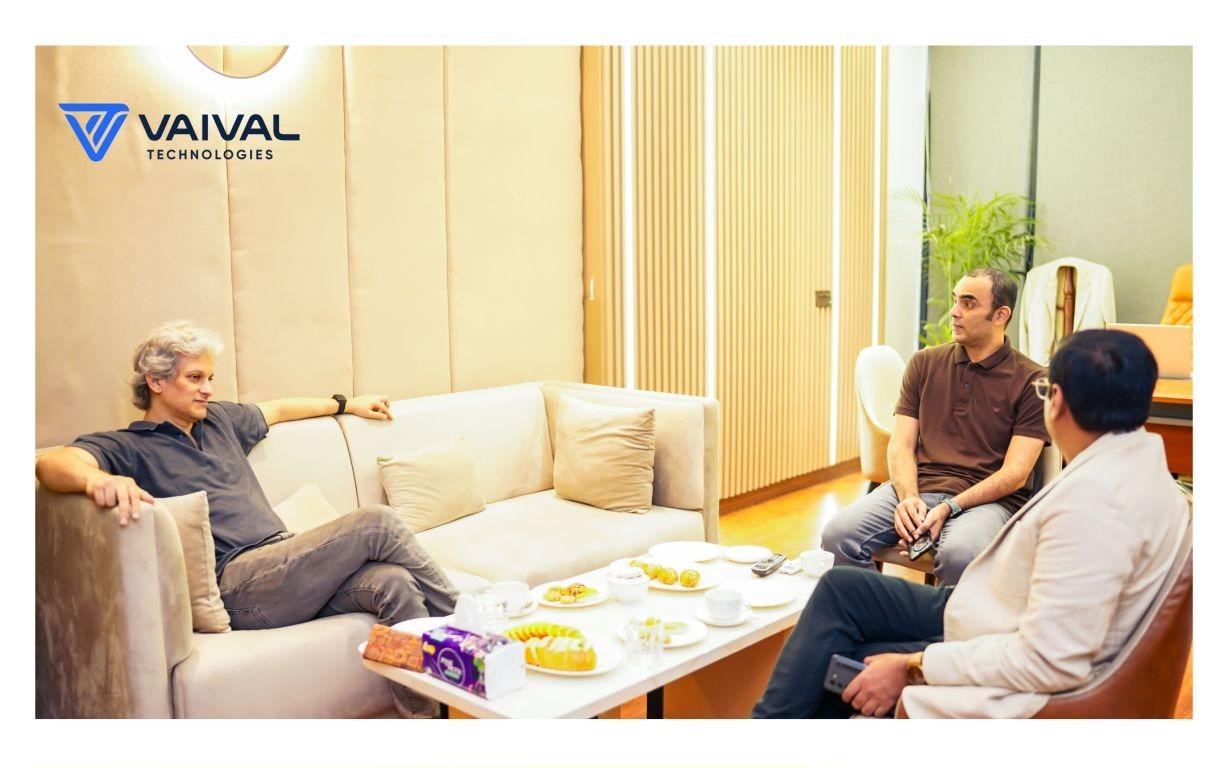
Sustained performance requires both mental sharpness and physical strength. I place strong importance on activities like Squash, Swimming and Excersise, not just for fitness but for the discipline they build. These habits develop focus, resilience, and consistency - qualities that translate directly into professional excellence. At the same time, mental discipline is equally critical; pushing your mind to think deeply and consistently is what strengthens your ability to perform under pressure and grow over time.
Things I Feel Fortunate About (Not “Proud”)
I don’t like the word “pride”, I prefer gratitude.
But I feel fortunate about a few things:
Building an organization where thousands of people have worked and benefited
Contributing at a global level (like being a major contributor to platforms such as Open edX)
Helping change perception, showing that Pakistan can produce high-quality technology, not just low-cost work
Looking Ahead: The Future
I don't believe AI will replace humans.
It will make teams more productive (through enhanced capacity)
It will expand opportunities
It will reward deep thinkers
Knowledge, Reading & Real Learning
Learning, to me, is not a surface-level activity - it is a continuos and multidimensional process. Reading is not simply going through words; it is about absorbing knowledge, reflecting on it, and connecting it to your own understanding. Shortcuts like summaries or quick videos may give you information, but they do not build thinking. Real growth comes from reading full books, engaging in sustained thought, and challenging your mind to stretch beyond its current limits. Learning should involve exploration, application, and deep reflection because knowledge only becomes valuable when it is truly internalized and used.
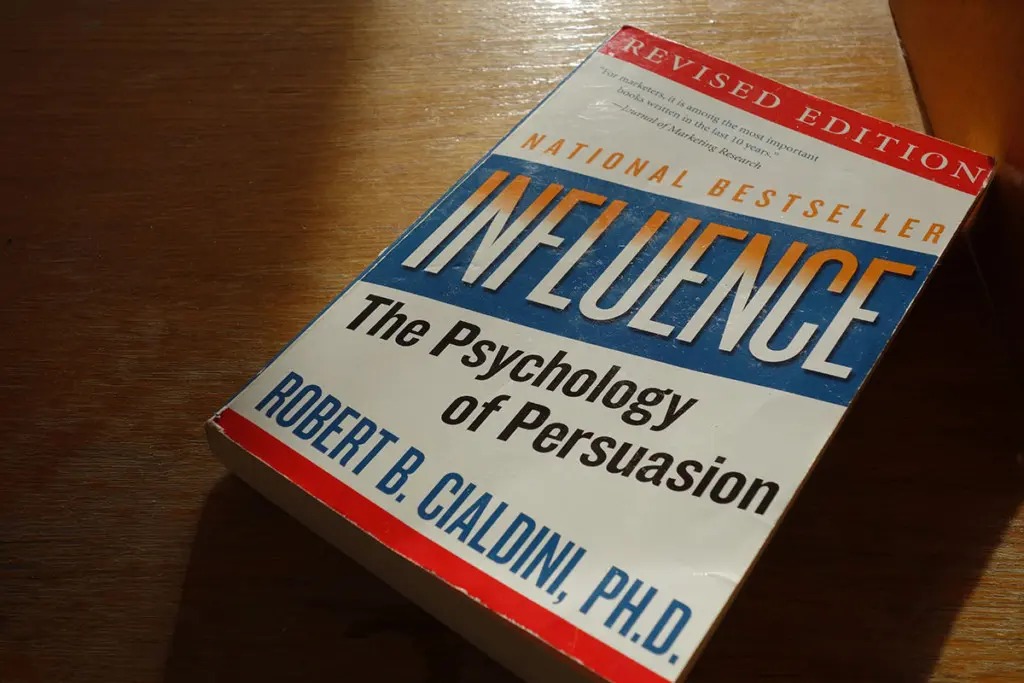
Influence: The Psychology of Persuasion - by Robert Cialdini
Helps you understand how people make decisions and how influence works, especially useful for business, marketing, and leadership.
This book examines the psychological "shortcuts" that people use to make decisions, which often leave them vulnerable to persuasion. Cialdini identifies six core principles: Reciprocity, Commitment, Social Proof, Liking, Authority, and Scarcity that trigger automatic, "click-whirr" responses in human behavior. By understanding these triggers, individuals can recognize when they're being manipulated and learn to use these tools ethically to increase their own impact.
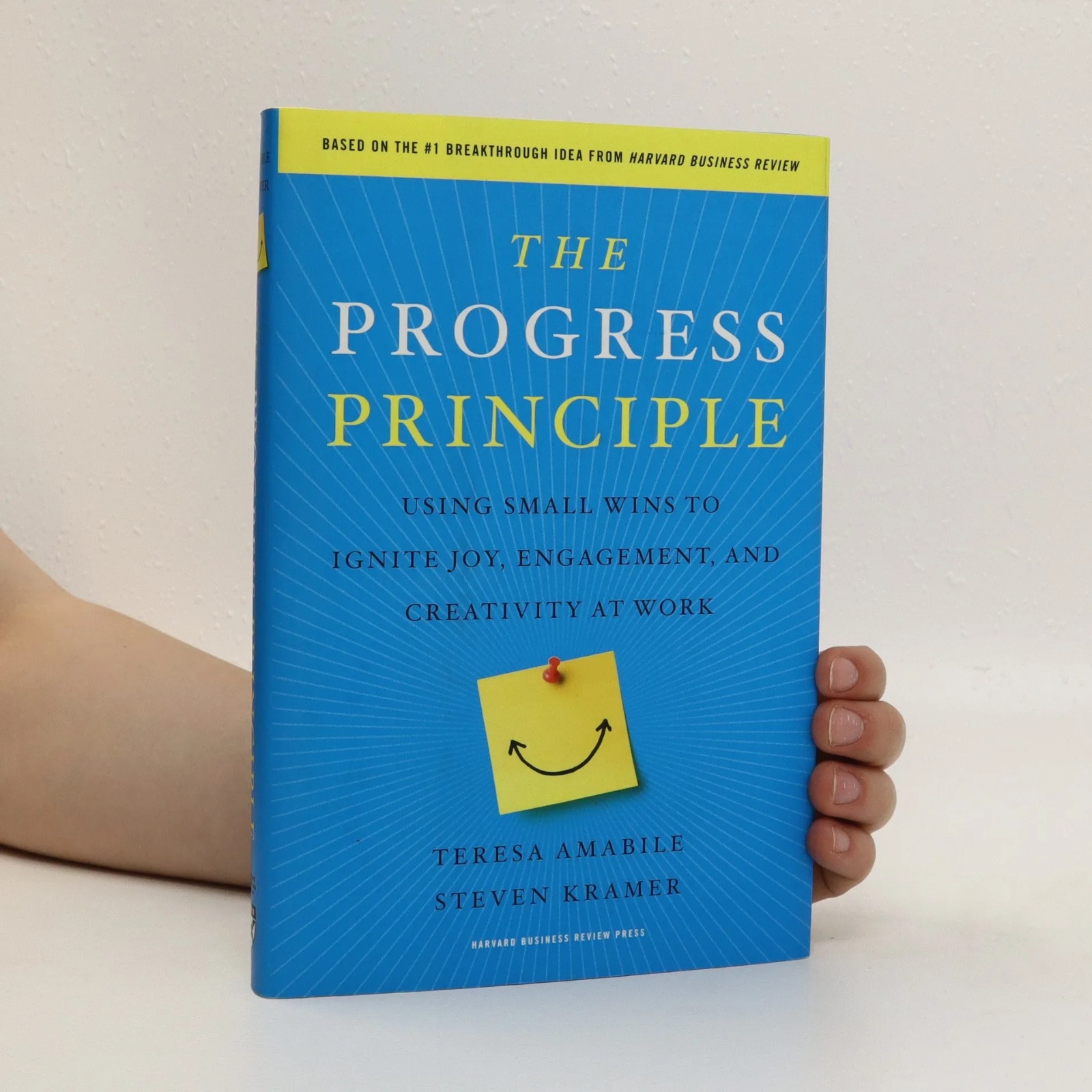
The Progress Principle - by Teresa Amabile
Explains how making small, consistent progress in work is the biggest source of motivation and satisfaction.
The author argues that the most powerful motivator for employees is not recognition or incentives, but the sense of making consistent, meaningful progress in their daily work. Through an analysis of thousands of diary entries, they demonstrate that "small wins" significantly enhance a person’s inner work life, leading to higher productivity and creativity. Managers play a crucial role by acting as catalysts who provide clear goals and resources while removing the "toxins" that stall momentum.
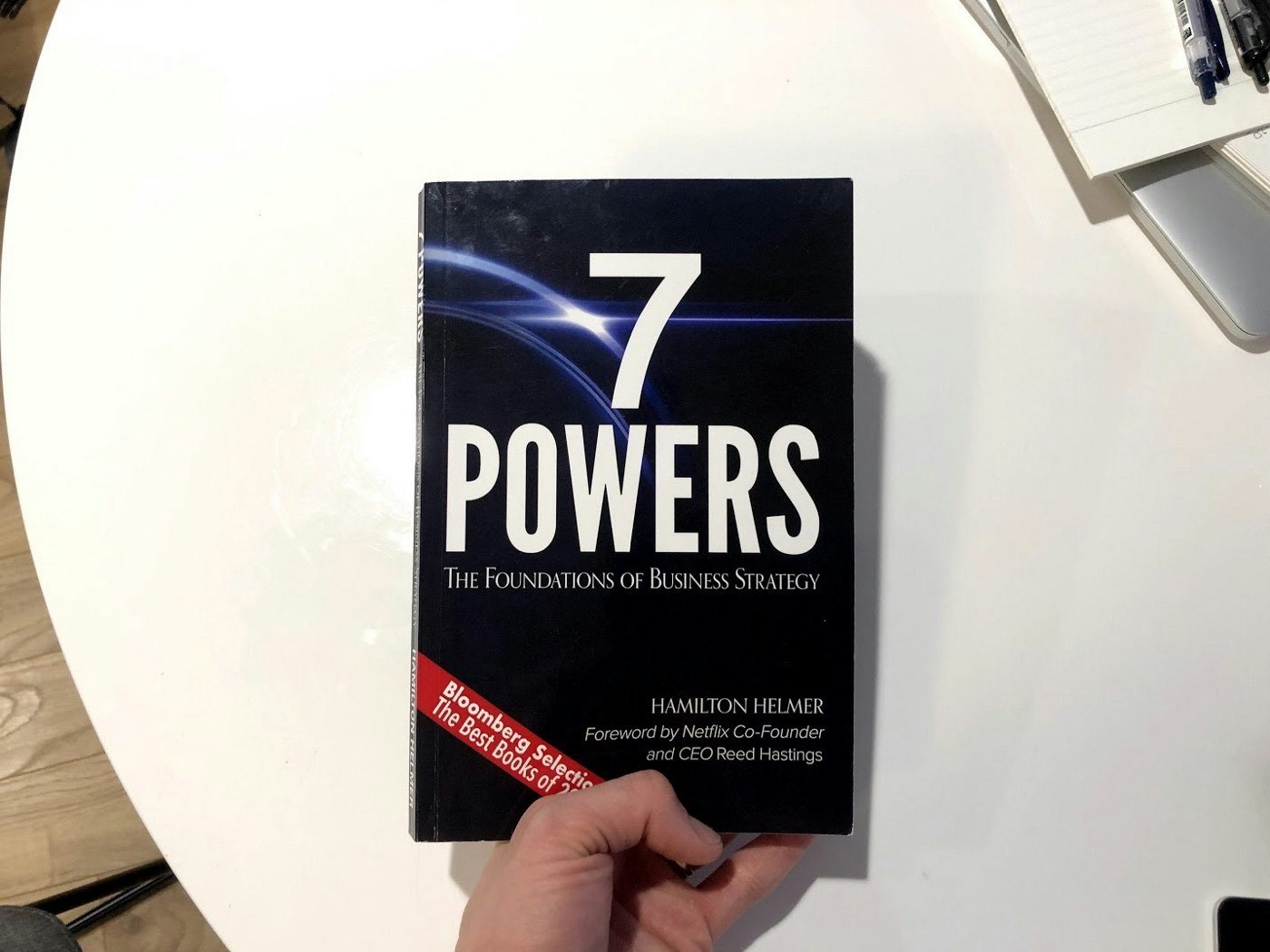
7 Powers - by Hamilton Helmer
A powerful framework on strategy - how companies build long-term competitive advantage.
Helmer provides a rigorous framework for identifying true strategic "Power," defined as a condition that creates both a significant profit advantage and a barrier to competition. He identifies seven distinct types: Scale Economies, Network Economies, Counter-Positioning, Switching Costs, Branding, Cornered Resources, and Process Power. Unlike temporary success, these powers create "moats" that protect a business's value over the long term, even against aggressive rivals.
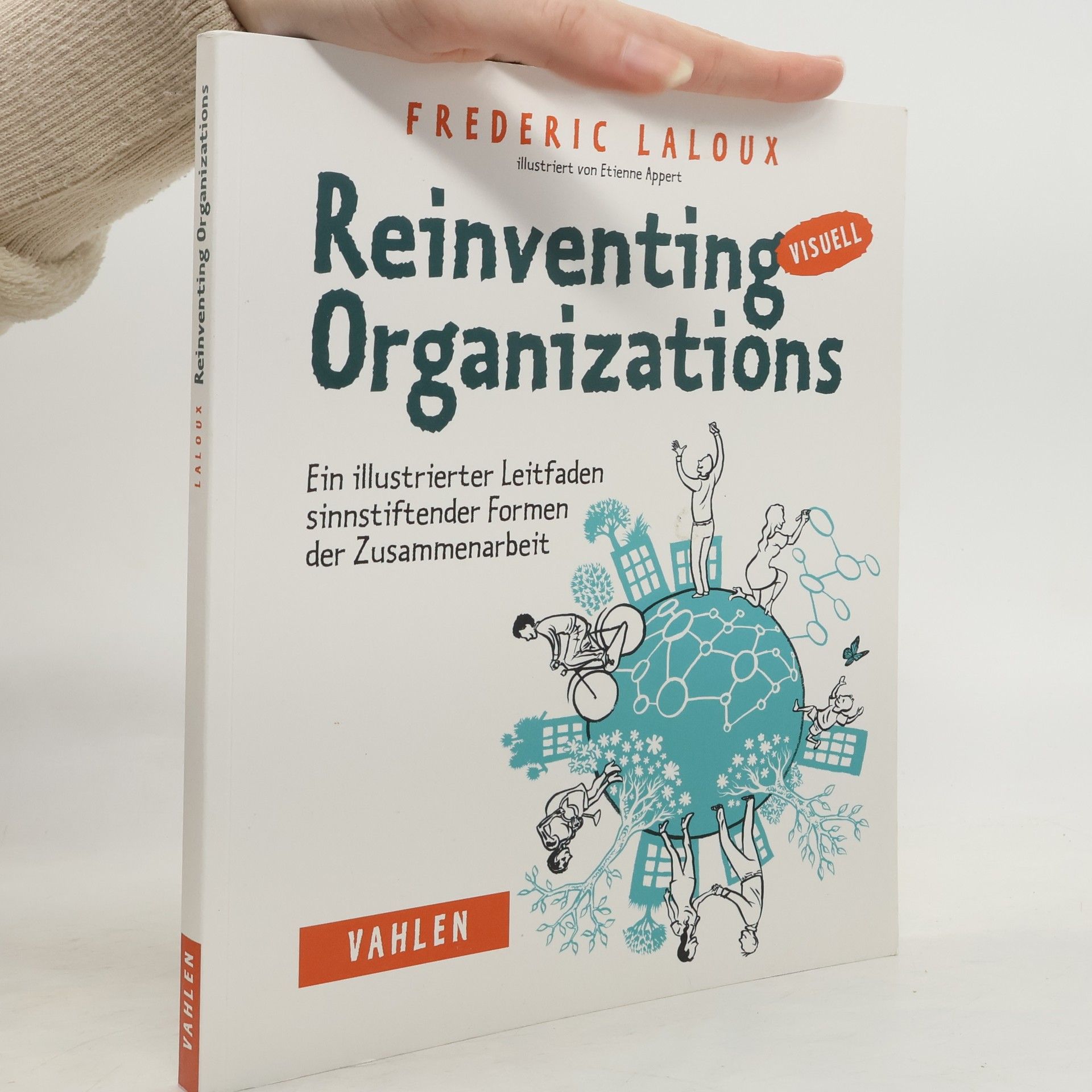
Reinventing Organizations - by Frederic Laloux
Offers a new way of thinking about organizations—more aligned with trust, autonomy, and modern work culture.
Laloux explores the historical evolution of human management, suggesting that we are entering a new stage of consciousness called the "Teal" organization. These organizations move away from traditional hierarchies and "command and control" structures in favor of self-management, wholeness, and an evolutionary purpose. In a Teal environment, employees are encouraged to bring their full human selves to work, and teams operate with high levels of autonomy without the need for middle management. The organization is treated as a living entity that adapts naturally to its environment rather than a machine to be optimized.
Message For Tech Aspirants:
For anyone who wants to enter and succeed in the tech field, my advice is simple but important. First, discover what you are truly good at. Not everything is for everyone, even in tech. You need to find the area where you are naturally above average, and then build on it. If something doesn’t suit you, don’t hesitate to pivot and try something else. Second, don’t chase trends blindly . Just because everyone is doing AI or a certain technology doesn’t mean it’s right for you. Focus on what aligns with your strengths.
Third, make self-learning a daily habit. Learning should be multidimensional:
Take courses
Read articles and books
Watch lectures
Most importantly, apply what you learn
And most importantly: There are no shortcuts. You cannot rely on one course or quick learning. The people who succeed are the ones who consistently put in effort, think deeply, and keep improving.
Also, make sure you develop both:
Your mental strength through learning
Your physical strength through activities like exercise
Because long-term success requires both. If you do these things - find your strength, work hard, and keep learning - you will not only enter the field, but also excel in it.

Message to the Next Generation
My message to the next generation is simple:
Work hard, with passion. Don’t look for shortcuts - there are none.
First, discover what you are good at. Then put in your absolute best effort to become even better at it.
The world is becoming more competitive. People everywhere are working hard and improving. If we don’t do the same, we cannot compete.
It is the combination of being good at something and working extremely hard at it that allows you to succeed.
My Legacy
I want to be remembered for helping put Pakistan on the global map as a country that can produce high-quality technology.
Today, this region is often seen as a low-cost outsourcing destination. I want to change that perception .
I want the world to recognize that Pakistan can create companies that deliver world-class quality, provide thought leadership, and build technology used globally.
"My journey, from the Commodore 64 in Gujranwala to the labs of Stanford and the offices of Arbisoft has taught me that failure is just a part of the recovery process. If you focus on excellence, stay curious, and empower those around you, the "gratification" of seeing your code and your company run successfully is worth every setback"